
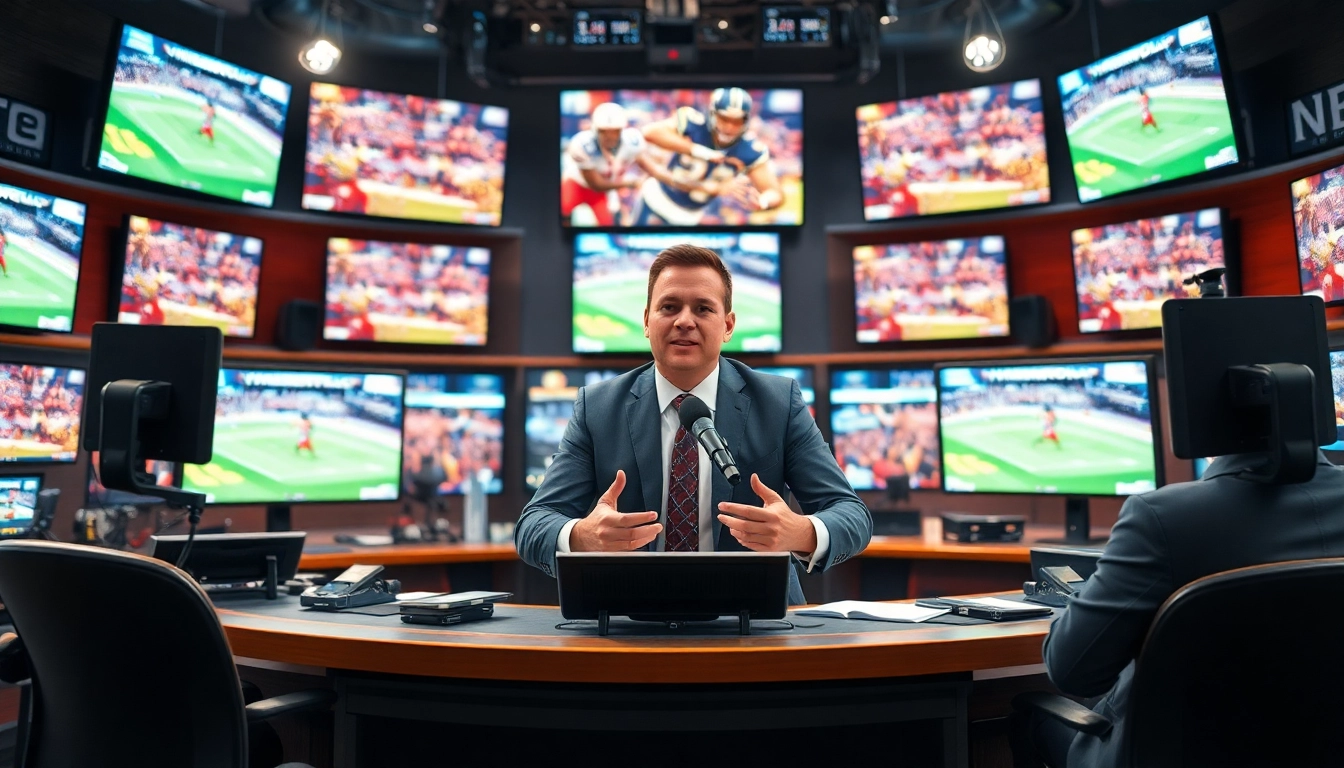
Understanding Sports Broadcasting
Sports broadcasting plays a crucial role in how we consume sports, significantly shaping the experience for fans and athletes alike. From traditional television broadcasts to innovative online streaming platforms, the landscape of Sports Broadcasting is multifaceted, reflecting wider technological advancements and changing audience preferences. This article delves into the history, current landscape, and evolving future of sports broadcasting, providing valuable insights for enthusiasts, professionals, and observers alike.
History and Evolution of Sports Broadcasting
The history of sports broadcasting dates back to the early 20th century, with the first radio broadcasts of major sporting events. Baseball was among the first sports to be covered, attracting listeners with live updates of games. As the medium evolved, so too did the scope—television began to dominate broadcast mediums in the mid-20th century. Iconic events like the Super Bowl and the World Series became household staples, fostering a shared cultural experience.
The late 20th and early 21st centuries witnessed the rise of cable networks and dedicated sports channels, transforming how audiences engaged with sports. This era has paved the way for the digital revolution, where online streaming and broadcasting apps have redefined access, allowing viewers to watch events anytime and anywhere. Such transformations reflect not only technological advances but also shifts in viewer expectations and consumption habits.
Key Players in Sports Broadcasting
Within the realm of sports broadcasting, several key players shape the dynamics of the industry. Traditional networks such as ESPN and NBC have been foundational, providing extensive coverage of major sporting events. In addition, emerging digital platforms like Amazon Prime and YouTube have disrupted the traditional model by introducing their streaming services, offering exclusive deals for certain sports leagues.
Moreover, producers, commentators, and journalists hold significant roles in delivering content that shapes narratives around sports. Their ability to engage audiences often dictates the success of broadcasts—establishing a connection between fans and the events they love. Recognizing these players allows one to grasp the competitive nature of sports broadcasting.
The Role of Technology in Sports Broadcasting
Technology is at the heart of modern sports broadcasting, driving innovations that enhance both production and viewer experience. High-definition (HD) and 4K broadcasting provide viewers with crystal-clear images, while augmented reality (AR) and virtual reality (VR) are beginning to create immersive experiences, allowing spectators to feel as though they are part of the action.
Furthermore, data analytics plays a significant role in enhancing broadcasts. Real-time statistics, player tracking, and advanced graphics contribute to viewer engagement by offering a deeper understanding of the game. The integration of social media into broadcasts has also transformed viewer interaction, with fans able to engage in discussions and share their thoughts with a larger audience during live events.
Types of Sports Broadcasting Services
The variety of broadcasting services available today reflects the changing landscape of how sports are consumed. Fans can choose from numerous formats tailored to their preferences, including traditional television broadcasts, online streaming services, and audio formats like radio and podcasts.
Television Broadcasting in Sports
Television continues to be a dominant force in sports broadcasting, providing comprehensive coverage of various events. Major events like the Olympics, World Cup, and Super Bowl are meticulously produced, featuring expert commentary and in-depth analysis. Television networks often invest heavily in securing broadcasting rights for prestigious leagues, ensuring they capture large audiences.
Moreover, the ability for viewers to record games and access replays through DVR technology enhances viewer experience, allowing fans to enjoy content on their schedules. Network channels also facilitate discussions, analyses, and behind-the-scenes insights that further engage the audience.
Online Streaming Sports Broadcasting
As consumer habits shift towards on-demand viewing, online streaming services have gained immense popularity in the sports broadcasting landscape. Platforms such as Netflix, Hulu, and specialized sports services allow fans to watch live games or highlights on their terms. They offer flexible subscriptions with options for pay-per-view events, catering to various audiences.
Online streaming also benefits from additional features, including multi-angle views, enhanced replays, and interactive content that is tailored to individual user preferences. This shift represents a growing trend towards personalization, as technologies enable audiences to curate their viewing experiences.
Radio and Podcast Broadcasting
Despite the visual dominance of television and online platforms, radio remains a vital medium for sports broadcasting. For fans on the go or those who prefer audio formats, radio offers live updates, play-by-play commentary, and in-depth discussions surrounding events. Many organizations have invested in streaming their radio broadcasts, ensuring accessibility beyond traditional channels.
Podcasts have emerged as another popular format within sports broadcasting. They allow for detailed examinations of teams, players, and sports trends, attracting dedicated audiences who appreciate in-depth analysis and storytelling. The casual, conversational nature of podcasts often fosters community engagement, enhancing the overall experience for fans.
Challenges in Sports Broadcasting
As the sports broadcasting industry continues to evolve, it also faces various challenges that industry stakeholders must navigate. From ethical considerations to the complexities of rights management, these challenges require strategic thinking and innovative solutions.
Ethical Considerations in Sports Broadcasting
Ethics play a vital role in the integrity of sports broadcasting. Issues such as commentary bias, sensationalism, and respect for athlete privacy can significantly impact audience perception. Broadcasters must balance the need for engaging content with their responsibility to provide accurate, fair representations of events. Failure to do so may erode trust among viewers and harm the reputation of the broadcasters involved.
In addition, the impact of gambling on sports broadcasting presents ethical dilemmas. As betting becomes increasingly intertwined with sports culture, broadcasters must navigate how to present information responsibly while catering to audiences interested in betting odds and analyses.
Managing Rights and Ownership in Sports Broadcasting
The landscape of rights management is a complex issue within sports broadcasting. Securing broadcasting rights for major events often involves substantial investments, which can create financial pressure on networks and platforms. The ever-changing nature of rights agreements also requires broadcasters to remain agile and adapt to new deals that could influence their programming.
Furthermore, the rise of streaming platforms has created new agreements that challenge traditional ownership models. Broadcasters must ensure that their contracts with leagues and teams are equitable and adaptable, maintaining a balance between profitability and audience satisfaction.
Adapting to Audience Preferences in Sports Broadcasting
Understanding and adapting to audience preferences is paramount in today’s broadcasting environment. With the rise of diverse viewing habits, broadcasters must remain attuned to how their content is received and consumed. Continuous research, surveys, and engagement analytics can provide valuable insights into fan expectations and behaviors.
Another component of this adaptability is content personalization. Broadcasters can enhance viewer experiences by offering tailored content, including localized broadcasts, niche sports coverage, and unique features that resonate with specific fan bases. Embracing such strategies can lead to increased loyalty and viewership over time.
Best Practices for Effective Sports Broadcasting
To excel in the competitive landscape of sports broadcasting, adopting best practices is essential. By leveraging engagement techniques, social media, and viewer interaction, broadcasters can create a richer, more immersive experience for their audiences.
Engagement Techniques for Broadcasters
Engagement techniques are critical to keeping audiences invested in broadcasts. Incorporating interactive elements, such as live polls or Q&A sessions with players and commentators, fosters an engaging atmosphere where fans feel included. Additionally, storytelling during broadcasts helps to deepen connections between fans and the athletes they admire.
Using graphics that showcase statistics, player backgrounds, and team histories adds layers to the coverage, captivating audiences and enhancing their understanding of each event. When broadcasters create an engaging narrative, they draw in viewers and enhance ratings significantly.
Leveraging Social Media in Sports Broadcasting
Social media is an invaluable tool for broadcasters in today’s digital age. Platforms like Twitter, Facebook, and Instagram allow for real-time engagement with fans, creating communities that thrive on shared interests. Broadcasters can use these platforms to promote upcoming events, share behind-the-scenes content, and directly interact with audiences.
Moreover, social media provides an avenue for crowdsourcing opinions and feedback, allowing broadcasters to make informed decisions about programming and coverage. Engaging with audiences through social media fosters loyalty, paving the way for increased viewership and participation.
Improving Viewer Interaction in Sports Broadcasting
Viewer interaction can significantly enhance the sports broadcasting experience. Engaging fans through live chats during broadcasts or offering interactive features through mobile apps help maintain viewer interest. Incorporating user-generated content, such as fan-submitted videos or tweets, adds a personal touch and fosters a sense of community around broadcasts.
Additionally, hosting fantasy sports leagues or sports contests can involve fans more directly, encouraging participation that might lead to increased viewership during key events. Investing in innovative interaction methods can elevate a broadcaster’s brand and enhance the overall viewer experience.
Future Trends in Sports Broadcasting
The future of sports broadcasting holds exciting prospects as new technologies and platforms emerge. Understanding these trends can help industry stakeholders prepare and adapt to the evolving landscape.
Innovative Technologies Shaping Sports Broadcasting
As technology advances, innovative tools are reshaping how broadcasts are produced and consumed. 5G technology promises faster and more reliable streaming capabilities, which can enhance viewing experiences and facilitate greater interactivity during live events. Additionally, developments in artificial intelligence (AI) are paving the way for improved content personalization, automating processes like highlights generation and viewer analytics.
Virtual and augmented reality technologies also stand to alter the sports viewing landscape, creating immersive environments that allow fans to experience games in new ways. As these technologies continue to advance, they will redefine how audiences engage with their favorite sports.
The Impact of Data Analytics on Sports Broadcasting
Data analytics is increasingly influencing sports broadcasting, with insights playing a role in both production and audience engagement. By analyzing viewership trends, broadcasters can tailor their content to better align with audience preferences, leading to more effective programming decisions. Moreover, real-time analytics enhance broadcasts by providing viewers with context about game dynamics, which can enrich their understanding of events.
Additionally, using performance metrics and player statistics allows broadcasters to delve deeper into the narratives behind games, giving audiences a more comprehensive perspective on what they are watching.
Emerging Platforms for Sports Broadcasting
Emerging platforms, including socially focused applications and mobile streaming solutions, are changing how and where audiences consume sports. These platforms often feature user-generated content, allowing fans to contribute their perspectives, and creating diverse avenues for engagement.
Furthermore, collaborations between traditional broadcasters and tech companies can foster innovative solutions that enhance user experiences. As new players enter the market, they will undoubtedly reshape the competitive landscape and create opportunities for fresh content strategies.
Frequently Asked Questions
What is sports broadcasting?
Sports broadcasting encompasses various formats used to transmit live or recorded sports events to audiences, including television, radio, online streaming, and podcasts.
How has technology affected sports broadcasting?
Technology enhances sports broadcasting through HD and 4K visuals, real-time analytics, and AR/VR experiences, which engage fans and provide immersive viewing options.
What roles do social media play in sports broadcasting?
Social media fosters direct engagement with fans, promotes events, shares highlights, and serves as a platform for real-time discussions, strengthening viewer communities.
What are the main challenges in sports broadcasting?
Challenges include managing broadcasting rights, ethical considerations in content presentation, and adapting to changing audience preferences in a competitive landscape.
What are future trends in sports broadcasting?
Future trends include the rise of streaming services, advanced analytics, immersive technologies like VR, and increased viewer interaction through social media platforms.