Understanding Window Tinting Options
When considering a window tint near me, it is essential to understand the various options available, along with their attributes and implications. Different types of window films serve distinct purposes, catering to aesthetic preferences as well as functional needs. Whether you’re looking to enhance your vehicle’s style or improve comfort and safety, the right window tint can make a significant difference.
Types of Window Tint Available
Window tints are typically categorized based on their composition, thickness, and purpose. The most common types include:
- Dyed Window Tint: This is the most affordable type, constructed by applying a dye to polyester film, which provides a darker appearance while reducing glare. However, it doesn’t offer substantial heat reduction and can fade over time.
- Metalized Window Tint: This type contains small metallic particles, providing excellent heat rejection and enhancing durability. It also adds a reflective quality that can deter potential theft but can interfere with satellite signals.
- Carbon Window Tint: Carbon films block harmful UV rays and infrared light, making them an excellent choice for energy efficiency. They maintain their color over time, making them aesthetically appealing without the reflective downsides.
- Ceramic Window Tint: The premium option, ceramic films offer superior heat rejection and UV protection without compromising visibility. They are non-metallic, making them signal-friendly
- Hybrid Tint: This combines dyed and metallic options, aiming to balance affordability, durability, and heat rejection.
Benefits of Different Films
Various window tint types provide benefits tailored to specific needs:
- Improved Privacy: A darker tint reduces visibility into the vehicle, enhancing passenger privacy.
- Heat Reduction: Tints like ceramic and carbon can minimize the internal temperature of vehicles, making them more comfortable and energy-efficient.
- UV Protection: Most tints block up to 99% of harmful UV radiation, protecting both passengers and vehicle interiors from sun damage.
- Glare Reduction: Window tints significantly decrease glare from sunlight, improving driving safety.
- Aesthetic Appeal: A well-chosen tint can enhance the overall look of a vehicle, adding a touch of customization.
Choosing the Right Shade
Selecting the appropriate shade for your window tint is a blend of personal preference and legal requirements. Generally, here are a few key considerations:
- Legal Limits: Many states have regulations regarding the darkness of window tints, particularly on front and side windows. Always check your local laws before choosing a shade.
- Functionality vs. Aesthetics: Consider whether you prioritize visibility, privacy, or just the overall aesthetics of your vehicle.
- Climate Influence: In hotter climates, a darker shade may be optimal for heat rejection, while lighter shades might be better in cooler areas.
Factors to Consider When Searching for Window Tint Near Me
Quality of Service and Materials
When looking for a window tint near me, prioritizing quality over cost is essential. Evaluate factors such as the materials used and the expertise of the installation team. Higher-quality films (like ceramic) may come at a premium but offer better longevity and performance. Ensure that the installer is experienced and provides warranties for the work to guarantee satisfaction.
Legal Regulations on Tinting
Legal regulations can vary significantly by state or region. Always familiarize yourself with local laws regarding window tinting. These laws typically address:
- VLT (Visible Light Transmission): This defines how much light is allowed through the window. Each state has its standard.
- Windshield Tinting: Often, the front windshield can only have a tinted strip at the top and may have stricter VLT limits.
- Rear Windows: These often have more relaxed regulations, allowing for darker tints in many regions.
Customer Reviews and Recommendations
Researching customer reviews is a pragmatic way to gauge the reliability of your potential window tinting service. Recommendations from friends or family members can also be invaluable. Look for feedback regarding:
- Product Quality: Are customers satisfied with the window films used?
- Installation Service: Was the installation completed professionally and to standards?
- Aftercare: Were customers offered appropriate care instructions to maintain their tinting?
Installation Process of Window Tint
What to Expect During Installation
Understanding the installation process can alleviate any apprehensions you may have. Typically, this includes:
- Preparation: The vehicle windows will be cleaned thoroughly to remove any residues that could affect adhesion.
- Cutting the Film: The installer will accurately measure and cut the film to fit the windows.
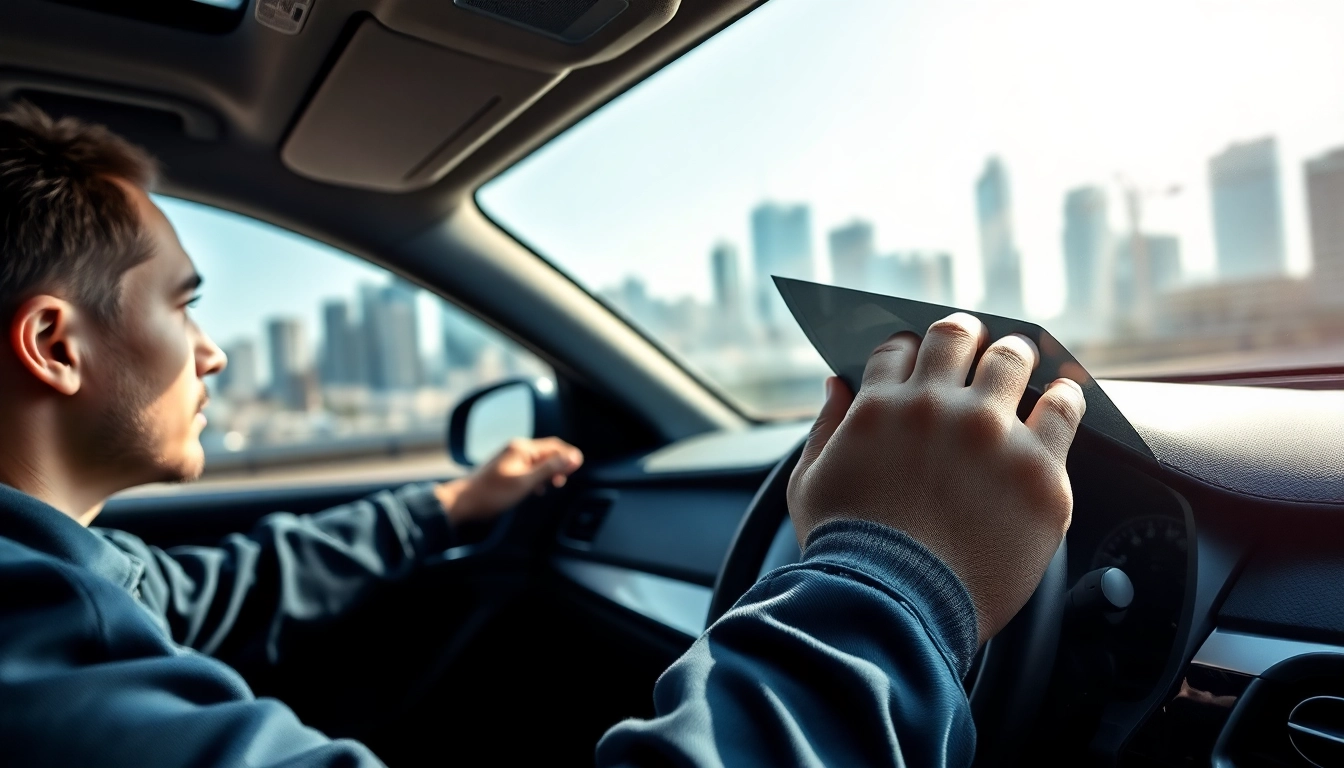
- Application: Using a solution to apply the film to the windows, ensuring no air bubbles remain.
- Drying Time: After installation, it’s advisable to leave the car closed for a few hours to allow the film to settle.
Common Installation Mistakes to Avoid
Even with skilled professionals, some common pitfalls can occur during installation. It’s crucial to be aware of these:
- Poor Cleaning: If windows aren’t properly cleaned, debris can create bubbles and blemishes.
- Inadequate Drying Time: Rushing the curing process can lead to bubbles and peeling.
- Incorrect Film Application: Applying the film at the wrong angle can result in misalignment and uneven appearance.
Post-Installation Care Tips
After having your windows tinted, proper care will ensure the longevity and effectiveness of the tint:
- Avoid Window Operation: It’s generally advised to avoid rolling down windows for the first few days to allow the film to securely bond.
- Gentle Cleaning: Use mild soap and water with a soft cloth to clean the tinted windows to avoid scratching.
- Monitor for Air Bubbles: If you notice any air bubbles after installation, consult with the installer as they may resolve it without issues.
Cost Considerations for Window Tint Near Me
Price Ranges for Different Tint Types
The cost of window tinting can vary significantly based on the type of film and the complexity of installation. Consider these price ranges:
- Dyed Window Tint: Typically ranges from $100 to $300 for an average vehicle.
- Metalized Window Tint: Costs between $200 and $400, depending on quality and installation.
- Carbon Window Tint: Expect to pay about $300 to $600.
- Ceramic Window Tint: The premium choice, often costing between $500 to $1,000.
Long-term Savings from Window Tinting
While initial costs can seem substantial, window tinting provides long-term savings in several areas:
- Energy Efficiency: By reducing heat buildup, your air conditioning works less, lowering fuel consumption and prolonging its lifespan.
- Increased Resale Value: A well-maintained vehicle with quality tinting can be more appealing to buyers.
- Protection from UV Damage: By protecting interior surfaces from UV rays, window tinting extends the life of upholstery and dashboard materials.
Comparing Costs from Local Providers
When evaluating different providers, ensure that you consider the total cost, not just the initial quote. This includes:
- Film Quality: Cheaper films can lead to higher long-term costs due to fading and peeling.
- Warranty Coverage: Consider coverage duration and what it protects.
- Installation Expertise: Look into the experience level of the technician as this affects overall quality.
FAQs about Window Tint Near Me
How long does window tint last?
Quality window tinting can last between 5 to 15 years, depending on the material and maintenance. Ceramic tints typically have the longest lifespan.
Is window tinting legal in my area?
Window tinting laws vary by state. It’s important to check local regulations regarding visible light transmission and restrictions for windshields and side windows.
What are the best window tint brands?
While several excellent brands are available, look for those well-reviewed for durability and performance. Typically, premium products often yield the best results.
Can I apply window tint myself?
While DIY kits are available, professional installation ensures proper application and adherence to legal standards, maximizing efficiency and longevity.
How does window tint affect visibility?
Quality tints are designed to reduce glare while enhancing visibility. However, overly dark tints may impair visibility, especially at night. Always consider your needs.